Visualisation Techniques for Mindfulness
- Reya Mithra

- Nov 3, 2025
- 3 min read
Updated: Feb 22
Understanding Visualisation Techniques for Mindfulness
Visualisation techniques for mindfulness involve consciously creating mental images that help you focus on the present moment. Unlike daydreaming, this practice is intentional and structured to enhance your awareness and calm your mind.
How Visualisation Enhances Mindfulness
Focuses attention: Visualisation directs your mind to specific images or scenarios, reducing distractions.
Promotes relaxation: Imagining peaceful scenes can lower stress and anxiety.
Encourages positive thinking: Visualising success or happiness can improve your mood and motivation.
Deepens self-awareness: By exploring inner images, you can uncover hidden feelings and desires.
Simple Visualisation Exercises to Try
The Calm Place
Close your eyes and imagine a place where you feel completely safe and relaxed. It could be a beach, a forest, or a cozy room. Focus on the details - the colours, sounds, smells, and textures. Spend 5-10 minutes here, breathing deeply.
Future Self Visualisation
Picture yourself five years from now, living your ideal life. What are you doing? How do you feel? Visualise the steps you took to get there. This exercise helps clarify goals and boosts motivation.
Healing Light Visualisation
Imagine a warm, healing light entering your body with each breath. See it moving through your body, dissolving tension and pain. This technique supports emotional and physical healing.
These exercises can be practiced daily or whenever you need to centre yourself.

Practical Meditation Practices to Complement Visualisation
Meditation is the practice of quieting the mind and focusing inward. When combined with visualisation, it enhances the clarity and impact of the images you create.
Steps to Meditate with Visualisation
Find a quiet space: Sit comfortably with your back straight.
Set an intention: Decide what you want to focus on, such as relaxation or self-discovery.
Close your eyes and breathe: Take slow, deep breaths to calm your mind.
Begin visualisation: Bring your chosen image or scene to mind.
Engage your senses: Imagine sounds, smells, and textures to make the scene vivid.
Stay present: If your mind wanders, gently bring it back to the image.
End gently: Slowly open your eyes and take a moment to reflect.
Benefits of Combining Meditation with Visualisation
Enhances emotional regulation
Improves concentration and mental clarity
Strengthens the mind-body connection
Facilitates deeper insight into personal challenges
By regularly practising these techniques, you can develop a stronger sense of self and greater emotional resilience.
What Does Religion Say About Visualisation?
Many spiritual traditions acknowledge the power of the mind to shape reality. In various religious texts, the concept of envisioning positive outcomes and trusting in divine guidance is encouraged.
For example, some interpretations of scripture suggest that faith combined with clear mental images can manifest blessings and healing. Visualisation, in this context, is seen as a form of prayer or meditation that aligns your intentions with a higher power.
This spiritual perspective adds a profound dimension to the practice, encouraging practitioners to use visualisation not only for personal growth but also for spiritual connection and trust.
How to Integrate Visualisation and Meditation into Daily Life
Incorporating these practices into your routine can be simple and rewarding. Here are some tips to help you get started:
Create a Dedicated Space
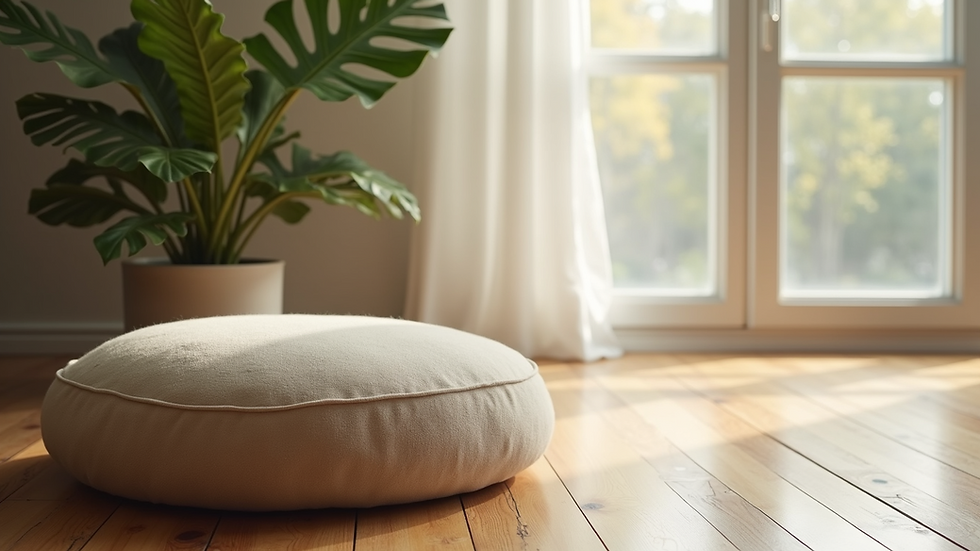
Set up a quiet corner in your home with comfortable seating, soft lighting, and minimal distractions. This space will become your sanctuary for self-discovery.
Schedule Regular Sessions
Consistency is key. Aim for 10-20 minutes daily, preferably at the same time each day, such as morning or before bed.
Use Guided Visualisations
If you find it challenging to create images on your own, try guided meditation apps or recordings that lead you through visualisation exercises.
Combine with Journaling
After each session, write down your experiences and emotions. Just keep on writing without thinking too much about it, and you will be surprised. This practice often yields unexpected insights and tracks your progress.
Be Patient and Open
Self-discovery is a gradual process. Some sessions may feel more impactful than others. Stay open to whatever arises without judgment.
Unlocking Your Inner Potential Through Visualisation and Meditation
The journey of self-discovery is unique for everyone. By embracing visualisation and meditation, you open doors to new perspectives, healing, and personal empowerment.
These practices help you:
Understand your true desires and fears
Cultivate inner peace and emotional balance
Enhance creativity and problem-solving skills
Build confidence and resilience
Remember, the key is to approach these techniques with curiosity and kindness towards yourself. Over time, you will notice subtle shifts that lead to profound transformation.
Conclusion
Start today by dedicating a few minutes to visualise your calm place or future self. Let this be the first step towards unlocking the incredible potential within you. Embrace the journey of self-discovery, and allow visualisation and meditation to guide you along the way.



Comments